Reference measurement is an essential process in industrial screwdriving technology, which is used in both electrically controlled EC-spindles as well as nutrunners. It serves for calibration and ensuring the accuracy and precision of the screwing processes. Regular reference measurements ensure that each screw connection exactly meets the specified specifications, which is of great importance, especially in safety-critical industries such as the automotive industry.
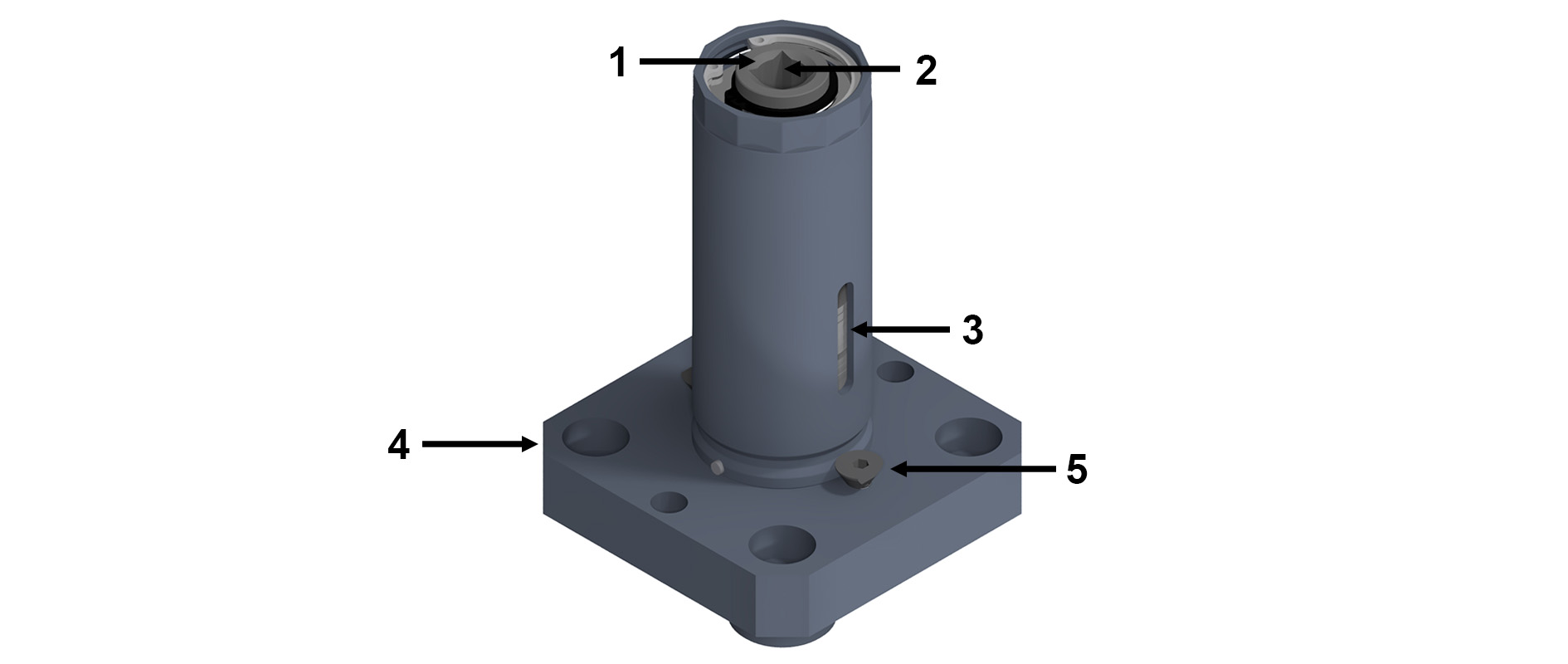
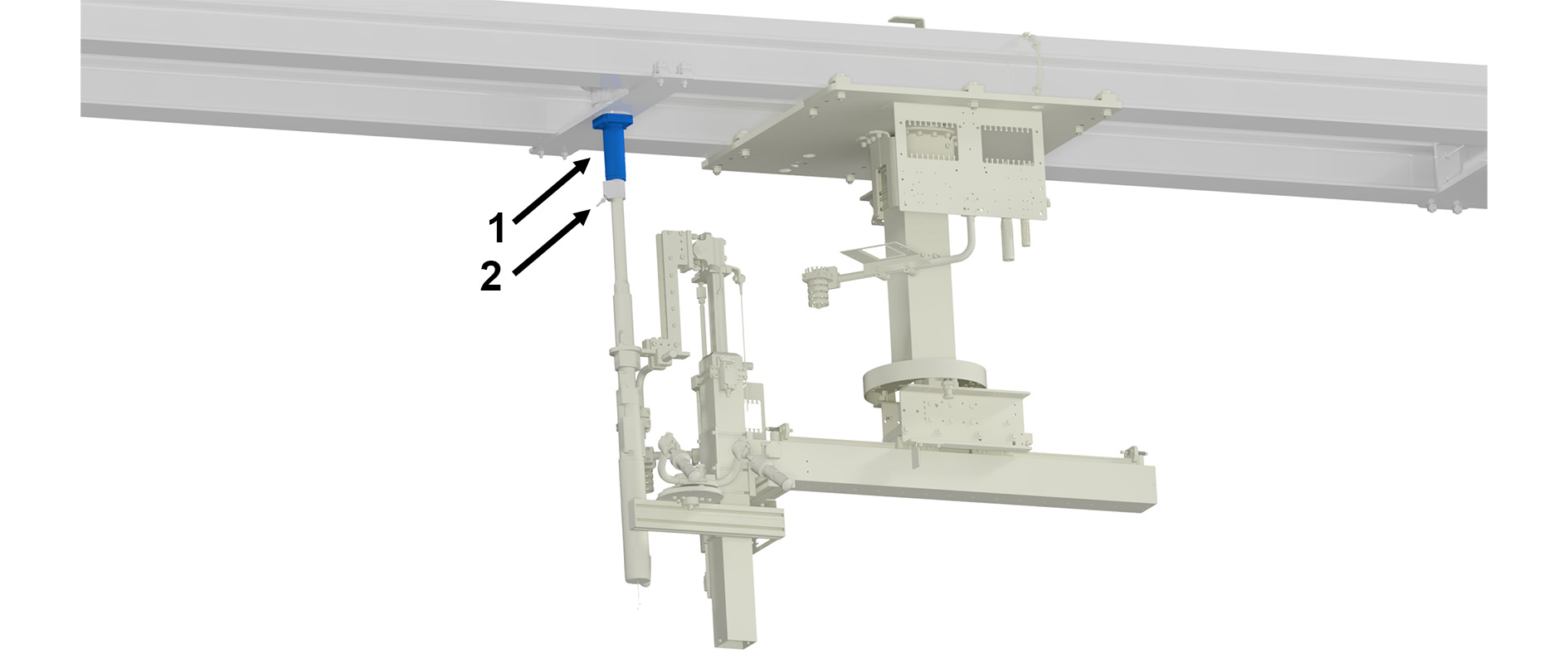
What is a reference measurement and why is it important?
Precision | Repeatability
In order to ensure consistent quality in production, EC-spindles and nutrunners work precisely and reproducibly. Reference measurements help to determine the position and the torque can be precisely controlled.
Quality assurance
Faulty tightening connections can lead to serious problems. Through the calibration of the tools, it is ensured that all screws are tightened correctly, which increases the quality and safety of the end products.
Error detection | -prevention
Regular reference measurements enable the early detection of deviations and errors. This helps to avoid expensive reworking and production downtime.
Compliance with industry standards
Compliance with quality standards and norms, such as ISO/TS 16949 in the automotive industry, requires precise and documented calibration processes.
Product advantages
System design & flexibility
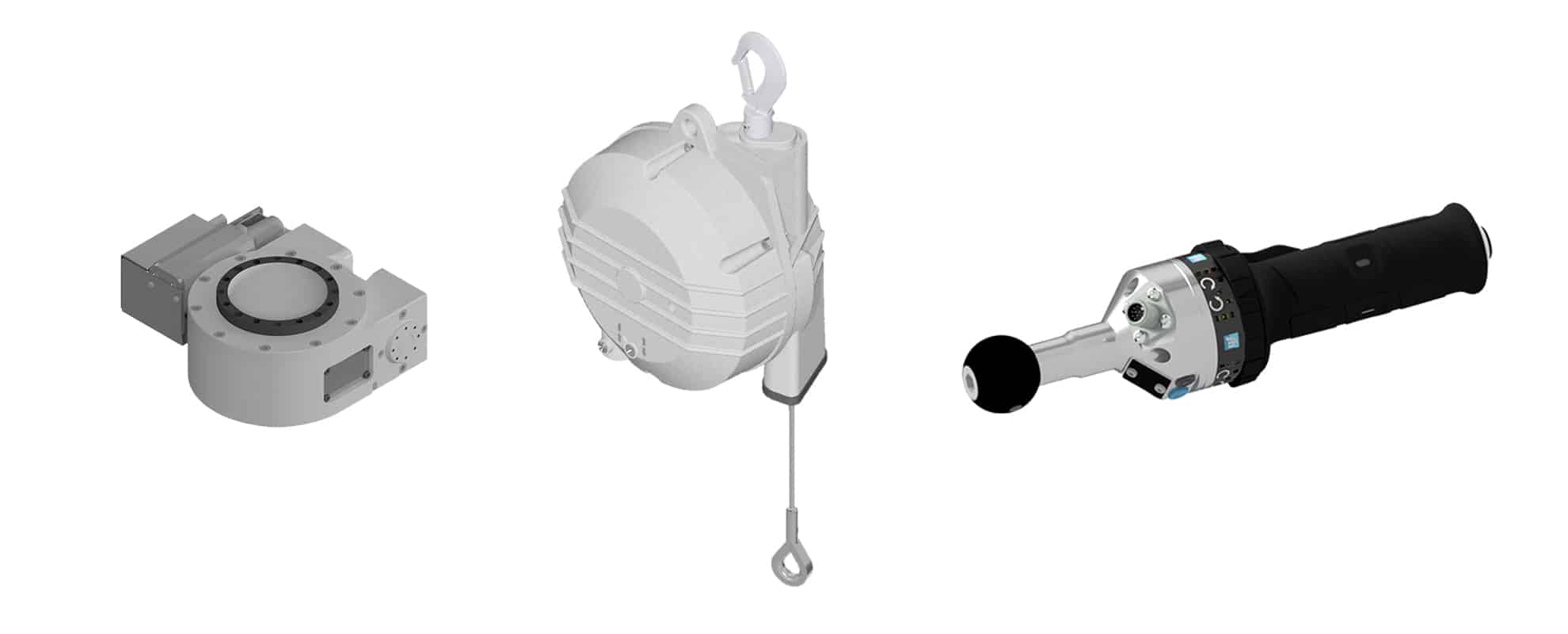
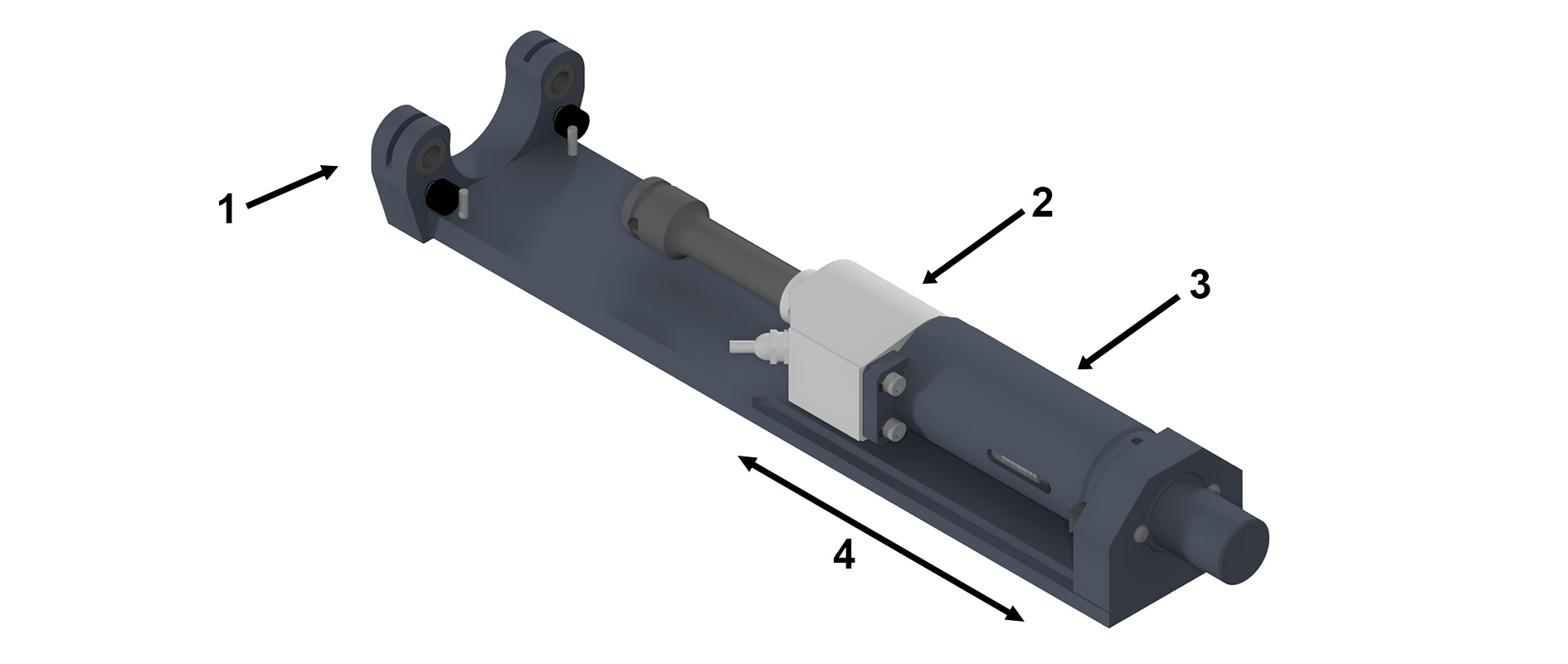
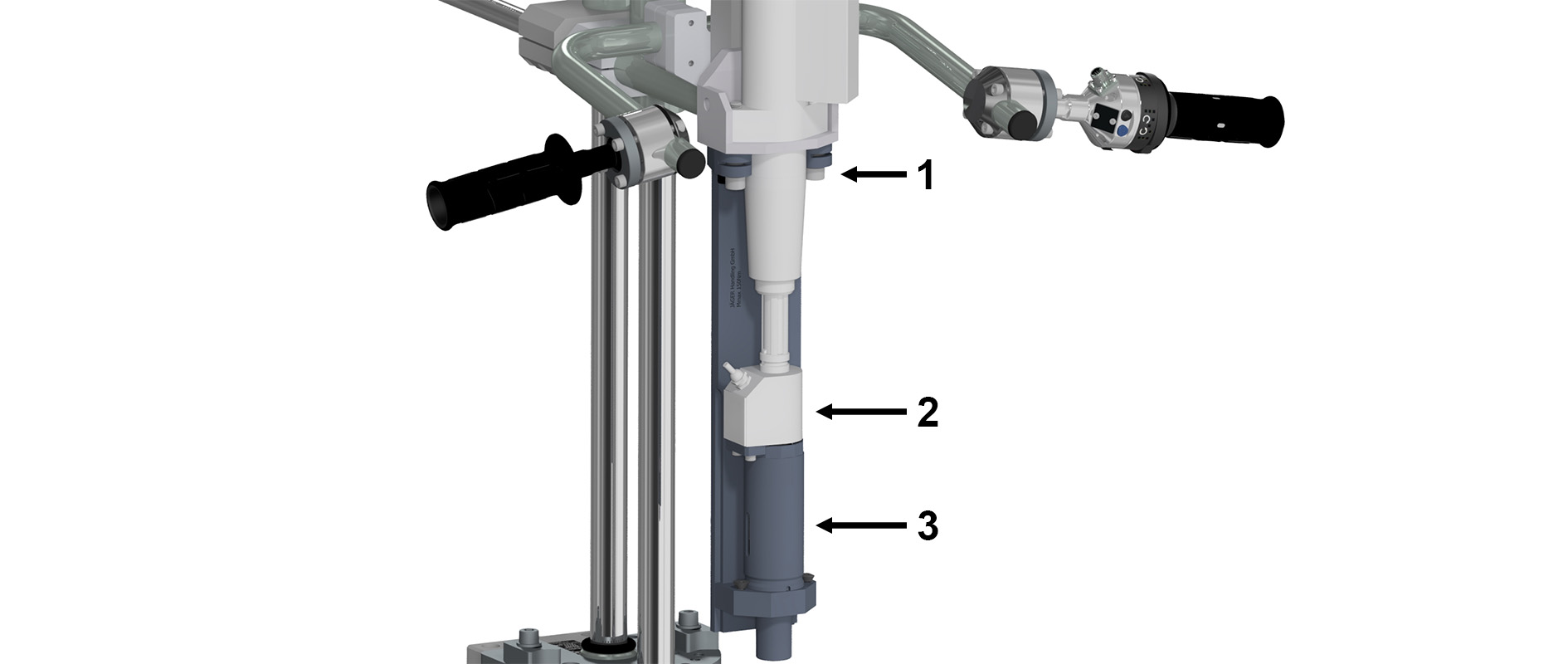
Very compact design, therefore also suitable for multi-spindle applications
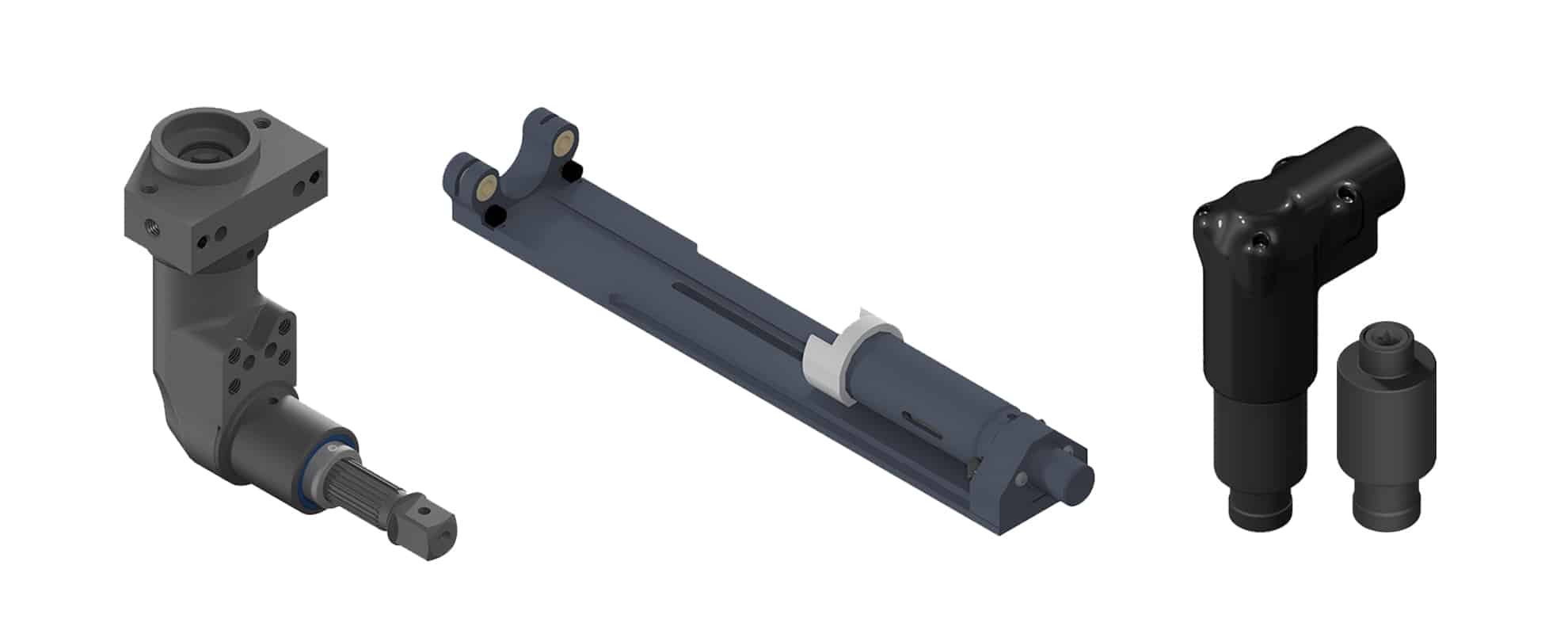
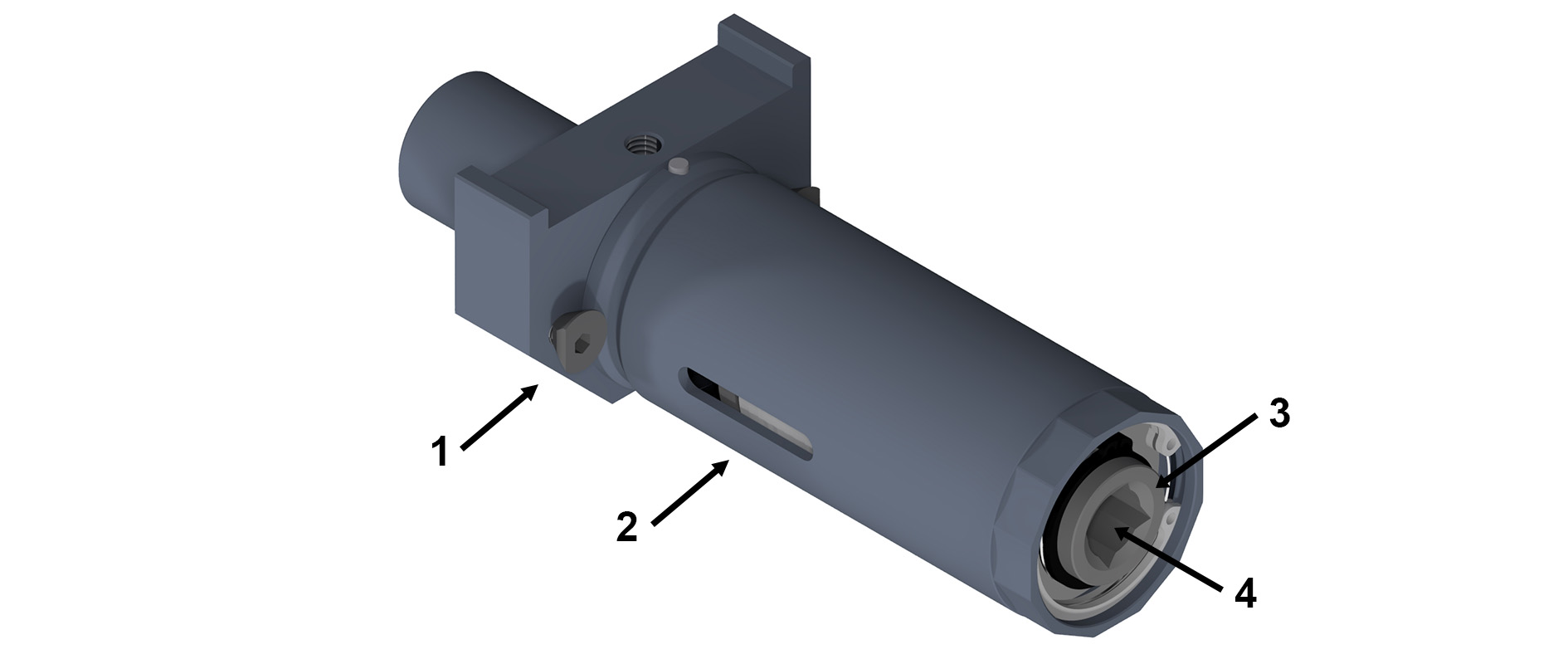
Tightening case adapter output lengths infinitely adjustable to different
Performance & ergonomics
Reference measurement IN LINE, without removing the EC-spindle
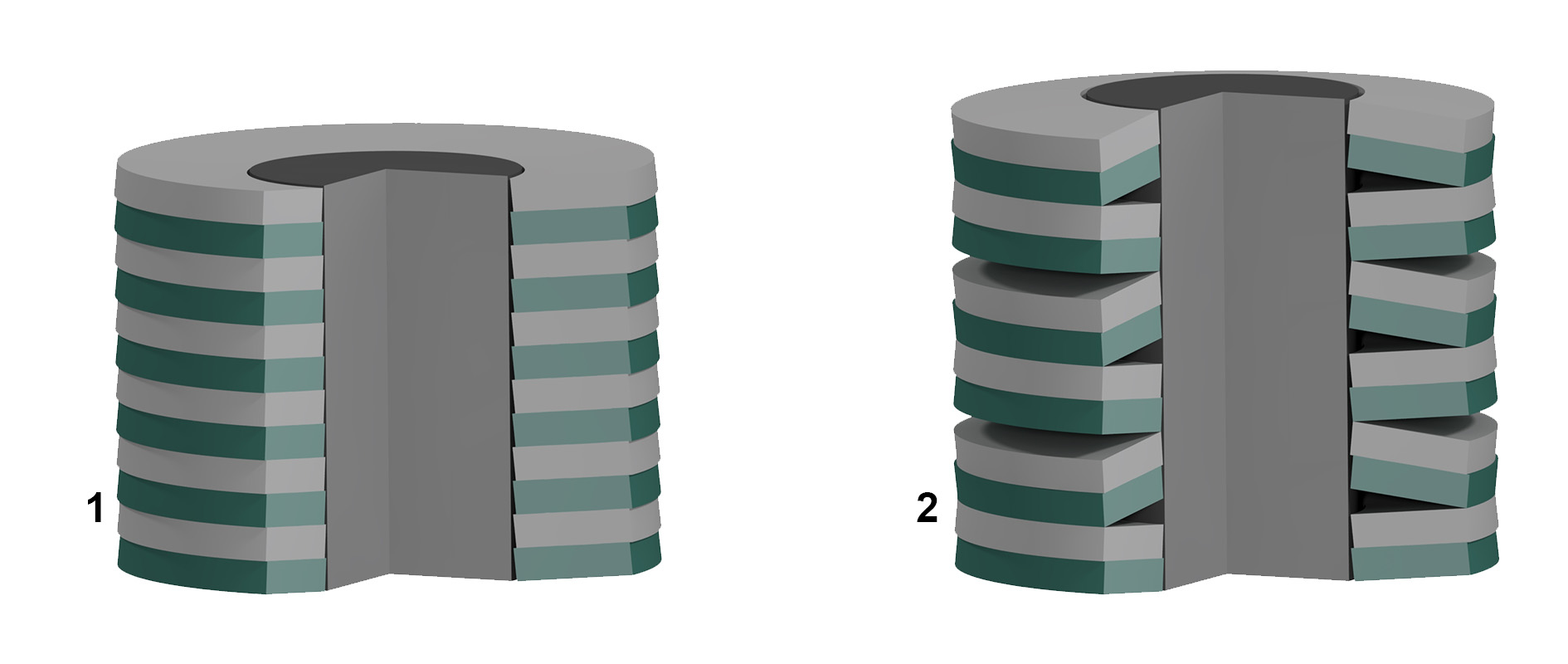
Approximate simulation of hard or soft screw cases through shifting of the disk spring assembly possible
Suitable for angle of rotation and torque measurement
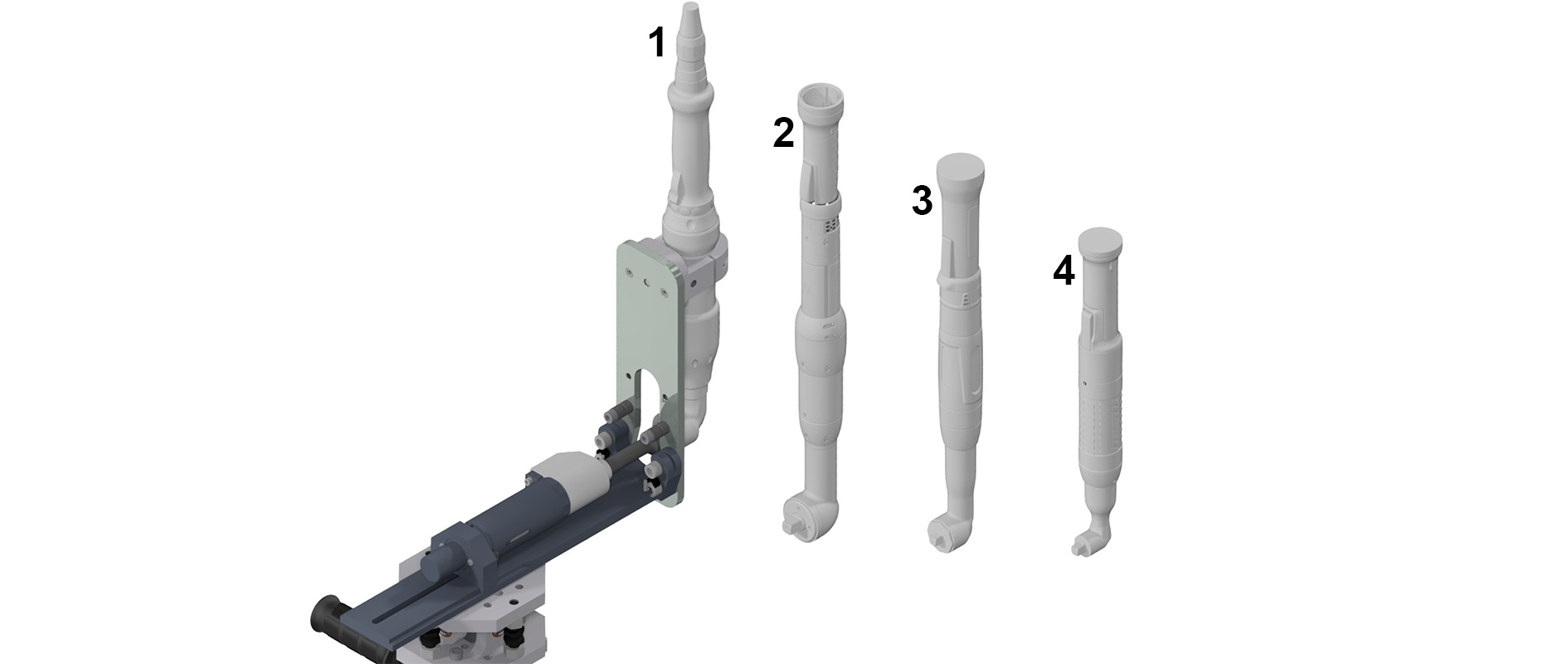
Suitable for EC-spindles and nutrunners
Process integration & operational safety
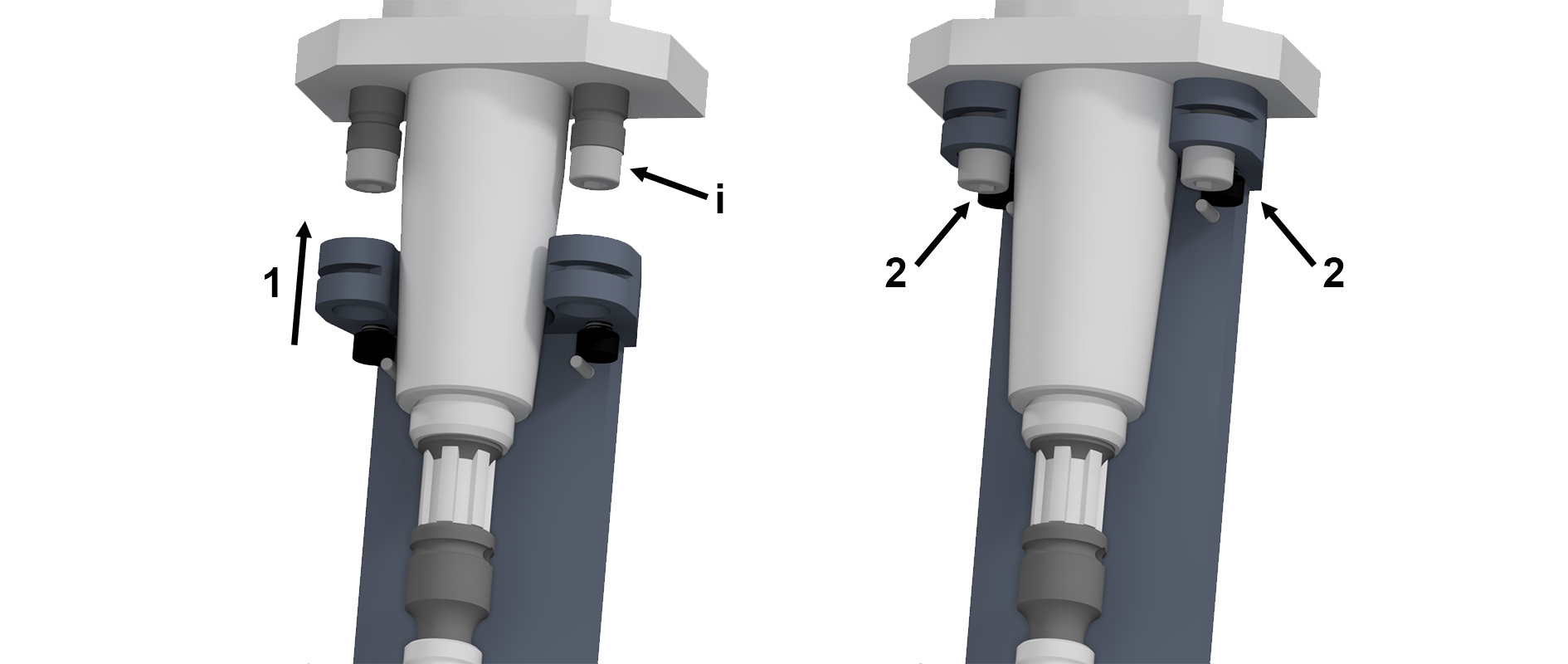
Quick clamping system for spindle adaptation
Difference to the machine capability study (MFU)
Reference measurement
Purpose
Used for calibration and ensuring the accuracy of spindle movements.
Frequency
Performed regularly to ensure the precise positioning and force application of the spindle.
Focus
Focuses on precise positioning and adherence to the specified tolerances for every screwdriving operation. screwing process.
MFU
Purpose
Evaluates the ability of a machine to consistently deliver high-quality results under real production conditions. deliver.
Frequency
Typically carried out at the start of a production run or after significant changes to the machine. carried out.
Focus
Analyzes the overall performance of the machine, including precision, repeatability, and stability over a longer period of time.
Summary
Reference measurement
Focuses on the short-term accuracy and calibration of an EC-spindle or a nutrunner.
Machine capability test
Evaluates the long-term performance and reliability of a machine under production conditions. production conditions.
Variant overview
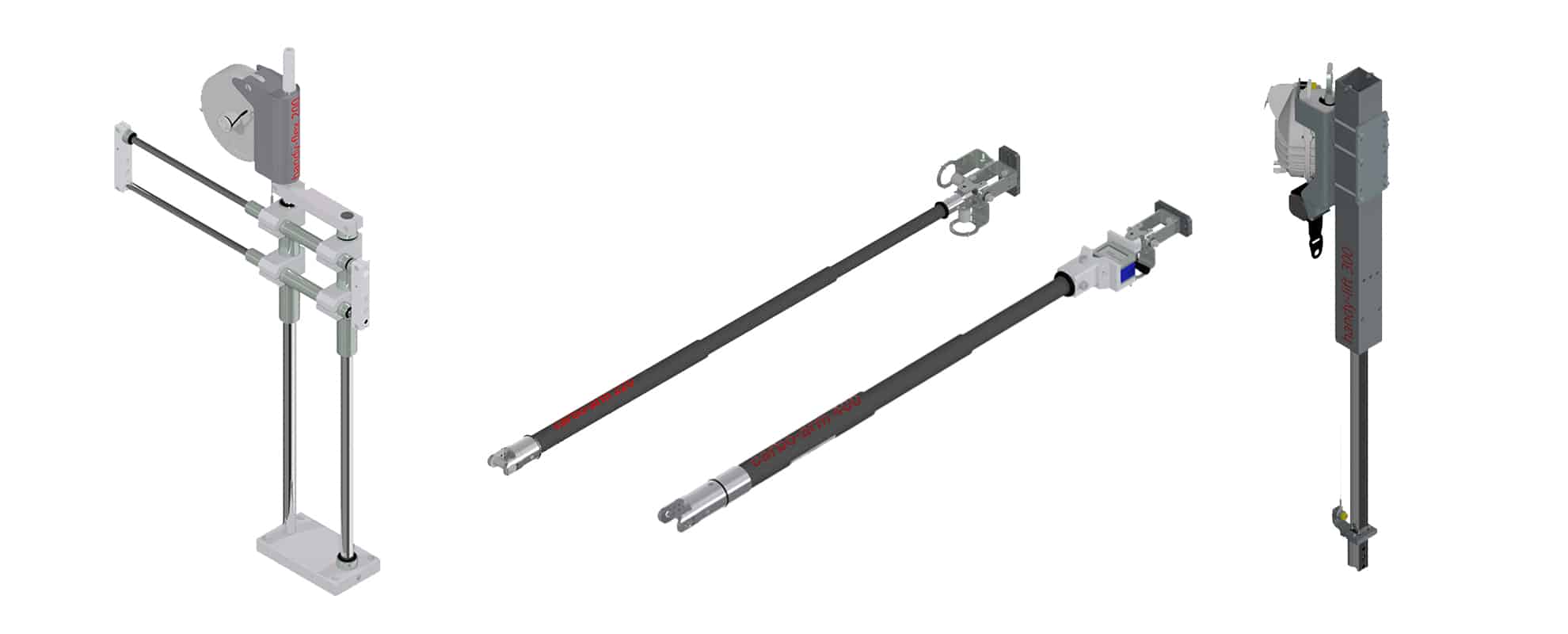
Reference measuring adapter nutrunner mounting
Manufacturer
Reference measuring adapter stationary
Equipment options